

Biblical Background
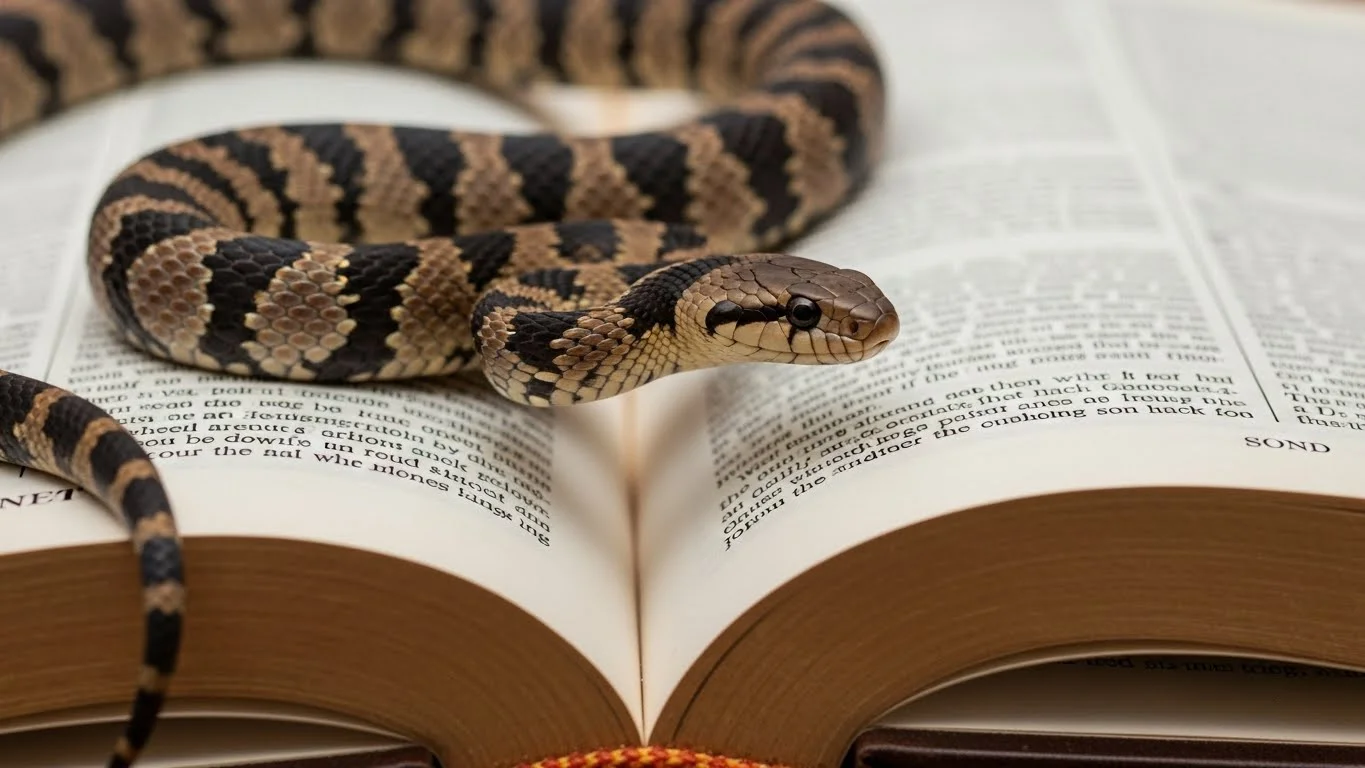
In the Bible, names and symbols often carry deep spiritual significance, conveying God’s purpose, warnings, or blessings. Serpents, for example, frequently represent temptation, deception, or danger, as seen in the Garden of Eden (Genesis 3) and in Paul’s warnings to the early church (2 Corinthians 11:3). While the term Mamushi does not appear in Scripture, it refers to a venomous snake in Japanese culture, which allows us to draw spiritual parallels. Snakes in the Bible remind us of the presence of spiritual danger, but they also highlight God’s authority over all creation (Psalm 95:5).
Spiritual Interpretations
Warning Against Temptation
The concept of Mamushi can serve as a reminder for Christians to stay alert against temptation and deception. In 1 Peter 5:8, believers are called to be sober-minded and watchful because the enemy seeks to devour. Reflecting on Mamushi as a symbol encourages spiritual vigilance and reliance on God’s guidance in every aspect of life.
God’s Authority Over Creation
Even creatures or symbols associated with danger fall under God’s authority. Psalm 95:5 reminds us that every element of creation is under His hand. Seeing Mamushi through this lens teaches believers that God protects and rules over all things, giving peace even when faced with potential threats or fears.
Redemption and Salvation
The biblical story of the bronze serpent in Numbers 21:8–9 shows how symbols of danger can point to salvation. Similarly, Mamushi can remind Christians that God can transform potential harm into lessons of redemption and hope. This teaches us that even in situations that appear threatening, God’s grace and deliverance are available.
Spiritual Discernment
Encountering Mamushi may also highlight the need for discernment. Hebrews 5:14 encourages believers to train their powers of judgment through practice and reliance on God. This symbol reminds Christians to seek wisdom, pray for clarity, and grow in spiritual understanding when faced with unfamiliar or unsettling concepts.
Examples or Variations
Mamushi in Dreams
Dreaming of a mamushi or snake may symbolize spiritual warning, fear, temptation, or hidden danger. The meaning often depends on emotions in the dream and current life situations.Mamushi in Music or Media
The word may be used symbolically to represent power, danger, or intensity. Christians are encouraged to discern content carefully and align entertainment choices with faith.Being Bitten by a Mamushi
This may symbolize spiritual attack, emotional hurt, or temptation. Biblically, it calls for prayer, repentance, and seeking God’s healing.Killing or Escaping a Mamushi
This can represent victory over fear, temptation, or spiritual struggle through God’s strength.
Dealing with Negative Signs or Troubling Dreams
Prayer for Peace
If Mamushi evokes fear, anxiety, or troubling dreams, prayer is essential. Asking God for peace and clarity brings comfort and perspective. Psalm 91 reassures believers that God is a refuge, protecting those who trust in Him from fear and harm.
Armor of God
Ephesians 6:10–18 reminds Christians to put on spiritual armor, which includes truth, righteousness, faith, and the Word of God. Applying this teaching helps believers stand firm against fear, anxiety, or spiritual confusion related to disturbing symbols or dreams.
Spiritual Discernment
Encountering Mamushi may require careful discernment to distinguish between ordinary thoughts, symbolic lessons, or spiritual guidance. Seeking God’s wisdom and testing every impression through Scripture ensures that believers respond in faith rather than fear.
Seeking Guidance
If the meaning or appearance of Mamushi continues to trouble the heart, talking to a trusted pastor, mentor, or mature Christian can provide clarity, prayer support, and scriptural counsel.
Faith-Based Guidance
Prayer for Protection
Believers can pray for God’s protection over their thoughts, dreams, and emotions: “Lord, guard my mind and heart from fear, and fill me with Your peace and understanding.”
Scripture Reflection
Daily engagement with God’s Word strengthens discernment and spiritual growth. Psalm 119:105 reminds us that Scripture is “a lamp to my feet and a light to my path,” guiding understanding even when symbols or experiences seem confusing.
Personal Reflection
Reflecting on personal experiences or challenges associated with Mamushi can help identify lessons God wants to teach. Romans 12:2 encourages renewal of the mind, allowing believers to transform fear into faith and wisdom.
Worship and Praise
Shifting focus from fear or anxiety to worship reminds believers of God’s sovereignty, protection, and care. Praise reinforces trust and peace, helping Christians navigate unsettling experiences with confidence in God’s plan.