
Biblical Background
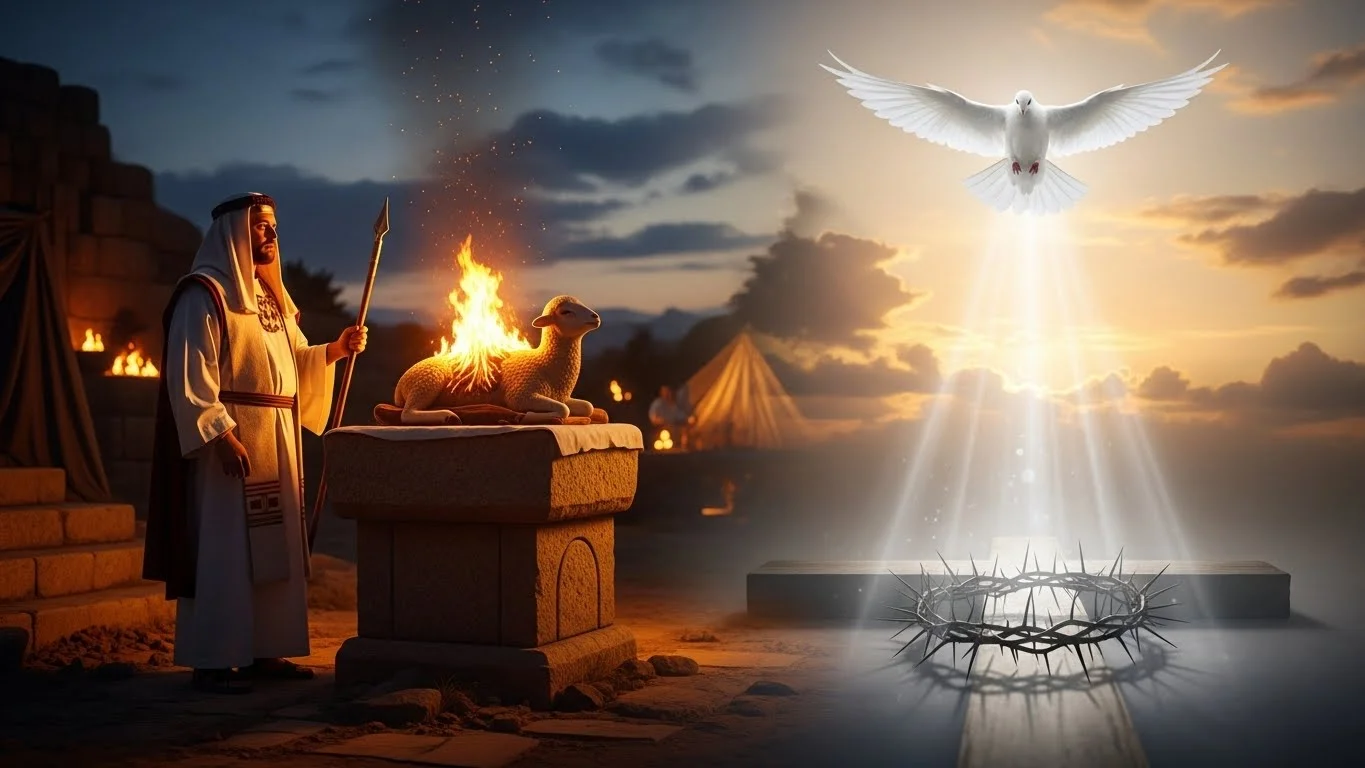
Animal sacrifice begins early in the Bible and becomes a key part of worship in the Old Testament. One of the earliest examples appears in Genesis when Abel offered a sacrifice from his flock to God, and the offering was accepted because it came from sincere faith (Genesis 4:4).
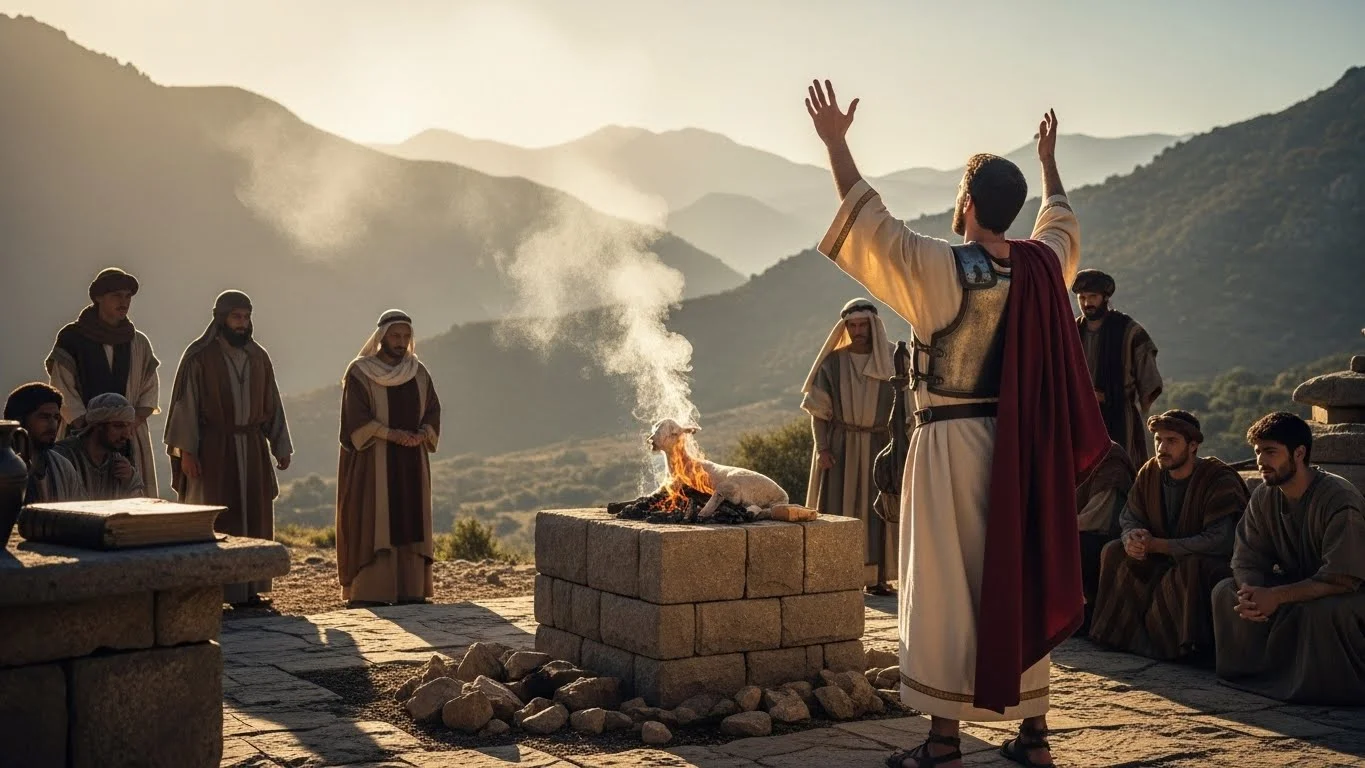
Later, God established detailed instructions for sacrifices through Moses. In the book of Leviticus, God gave the Israelites guidelines about how and when sacrifices should be offered. These sacrifices were part of the covenant relationship between God and His people.
Animals such as lambs, goats, bulls, and doves were offered as sacrifices for different purposes, including thanksgiving, repentance, and atonement for sin.
One of the most important events involving sacrifice was the Passover. In Exodus 12, the Israelites sacrificed a lamb and placed its blood on their doorposts so that God would pass over their homes during the final plague in Egypt.
Spiritual Interpretations
Sacrifice Revealed the Seriousness of Sin
Animal sacrifices reminded people that sin has real consequences. Romans 6:23 teaches that the wages of sin is death, which shows how serious separation from God is.
Through sacrifices, the Israelites were reminded that forgiveness required repentance and turning back to God.
Sacrifice Demonstrated Obedience to God
Offering sacrifices required faith and obedience. When people followed God’s instructions for worship, they demonstrated their trust in Him.
1 Samuel 15:22 teaches that obedience is better than sacrifice. This shows that God ultimately desired faithful hearts rather than empty rituals.
Sacrifices Pointed Toward Jesus Christ
One of the most important spiritual meanings of animal sacrifice is that it foreshadowed the coming of Jesus.
John 1:29 describes Jesus as the Lamb of God who takes away the sin of the world. Just as lambs were sacrificed for forgiveness, Jesus offered His life to bring salvation to humanity.
Jesus Became the Perfect and Final Sacrifice
Unlike the repeated sacrifices in the Old Testament, the sacrifice of Jesus was complete and final.
Hebrews 10:10 explains that believers have been made holy through the sacrifice of Jesus Christ once for all. Because of this, Christians no longer need animal sacrifices for forgiveness.
The Focus Shifted From Ritual to Relationship
The coming of Christ transformed worship. Instead of offering animals, believers now seek forgiveness through faith, repentance, and prayer.
Hebrews 10:22 encourages Christians to draw near to God with sincere hearts and full assurance of faith.
Examples or Variations
The Passover Lamb
In Exodus 12, the Israelites sacrificed a lamb and placed its blood on their doorposts. This act protected them during the final plague in Egypt. Christians later understood this event as a powerful symbol pointing to Jesus, whose sacrifice brings spiritual salvation.The Day of Atonement
Leviticus 16 describes the Day of Atonement, when the high priest offered sacrifices for the sins of the people. This annual ritual reminded Israel of the need for forgiveness. The ceremony pointed forward to the ultimate atonement accomplished through Christ.Burnt Offerings and Sin Offerings
Different types of sacrifices were offered for different purposes. Burnt offerings symbolized devotion to God, while sin offerings represented repentance and the desire for forgiveness. These sacrifices reflected the many ways people sought to restore their relationship with God.The Sacrifice of Isaac as a Test of Faith
In Genesis 22, God tested Abraham by asking him to sacrifice his son Isaac. Although God ultimately provided a ram instead, the story demonstrated Abraham’s deep faith and obedience. This event also foreshadowed God providing His own Son as a sacrifice for humanity.
Dealing with Negative Signs or Troubling Dreams
Seek God’s Peace Through Prayer
If someone feels troubled by biblical symbols or dreams about sacrifice, prayer is the best response. Psalm 91 reminds believers that God is a refuge and protector.
Prayer brings peace and reminds Christians that God’s love is greater than fear.
Focus on the Message of Redemption
Animal sacrifice in the Bible is not meant to create fear but to highlight the powerful message of forgiveness and redemption through Christ.
Romans 8:1 teaches that there is no condemnation for those who are in Christ Jesus.
Ask God for Wisdom and Understanding
Some biblical themes can feel complex. Asking God for wisdom through prayer and study can help believers understand Scripture more clearly.
Seek Guidance From Christian Leaders
Talking with a pastor or Bible teacher can provide helpful insights about difficult passages in Scripture.
Faith-Based Guidance
Prayer for Protection
Prayer helps believers remain spiritually strong.
Prayer:
Lord, thank You for the sacrifice of Jesus that brings forgiveness and new life. Please protect my heart and guide my thoughts so that I may understand Your truth. Help me walk in faith and remain close to You every day. Amen.
Reflect on the Sacrifice of Christ
Christians are encouraged to remember that Jesus gave His life so that people could receive forgiveness and eternal life. Reflecting on this truth deepens gratitude and faith.
Study Scripture to Grow in Faith
Reading the Bible regularly helps believers understand the connection between Old Testament sacrifices and the message of the Gospel.
Live a Life of Worship and Gratitude
Instead of offering sacrifices, Christians now worship God through prayer, love, obedience, and service to others.